Search
No search results found
No search results found
The Metonic Cycle and the Golden Runes
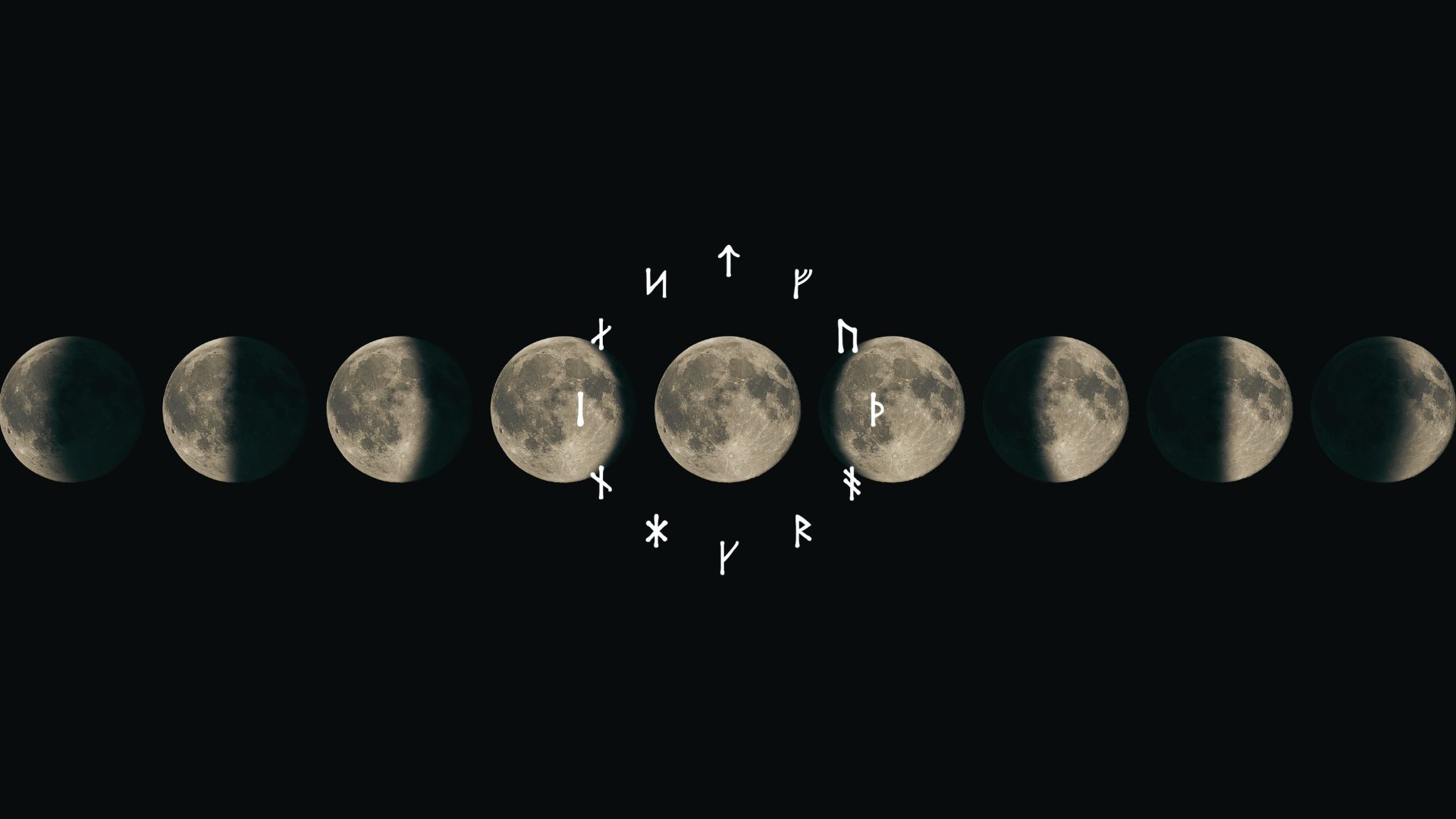
The Metonic cycle, or lunar cycle, is one of the oldest known systems for understanding how the solar year and the phases of the moon are related. Discovered by the Greek astronomer Meton in antiquity, the cycle describes how the phase of the moon returns to the same position on exactly the same day every nineteen years.
To keep track of these nineteen years, the golden ratio was used—19 numbers that gave each year a specific position in the cycle. They were used to predict the phases of the moon, determine the times of festivals, and understand the recurring rhythm of the seasons.
The golden age was an early form of year counting, but unlike modern year counting, it always started over. This way of looking at time suited the Vikings' cyclical view of time as something that constantly recurs, like the seasons.
In the Nordic countries, this system took on a unique and symbolic form. Instead of numbers, which the Vikings did not have, they used runes. These could be carved onto rune staves (or primstaves), wooden staves that functioned as perpetual calendars. Each rune symbolized one of the golden numbers and thus its place in the Metonic cycle.
In this way, the runes became not only a written language but also symbols for managing time. The runes connected humans to the cycles of nature — the sun's journey, the moon's changes, and the eternal cycle of time.